A Practical Blog-Post Format for Service Businesses
A useful service-business article does three jobs: it shows that the writer understands the problem, explains a credible way to handle it, and gives the reader a sensible next step. It does not need a dramatic opening or a sales pitch every few paragraphs.
A dependable five-part format
1. Name the specific problem
Open with the situation the customer recognizes. Use the language customers use in calls, emails, estimates, or support questions. Avoid a long personal story unless it helps explain the problem.
2. Explain why it matters
Describe the practical consequence: lost time, avoidable cost, confusion, risk, or missed opportunity. Keep this section proportional to the problem. The reader already knows something is wrong; the article should help clarify it.
3. Provide the working method
Give the reader a process, checklist, comparison, or decision framework. This is where a service business demonstrates expertise without claiming experience it cannot document. Explain what should happen, what information is needed, and where common mistakes occur.
4. Add proof that belongs there
Use real examples, photographs, calculations, standards, completed samples, or clearly identified personal experience. Never invent a client story or imply that hundreds of businesses have used a method when they have not.
5. Offer one next step
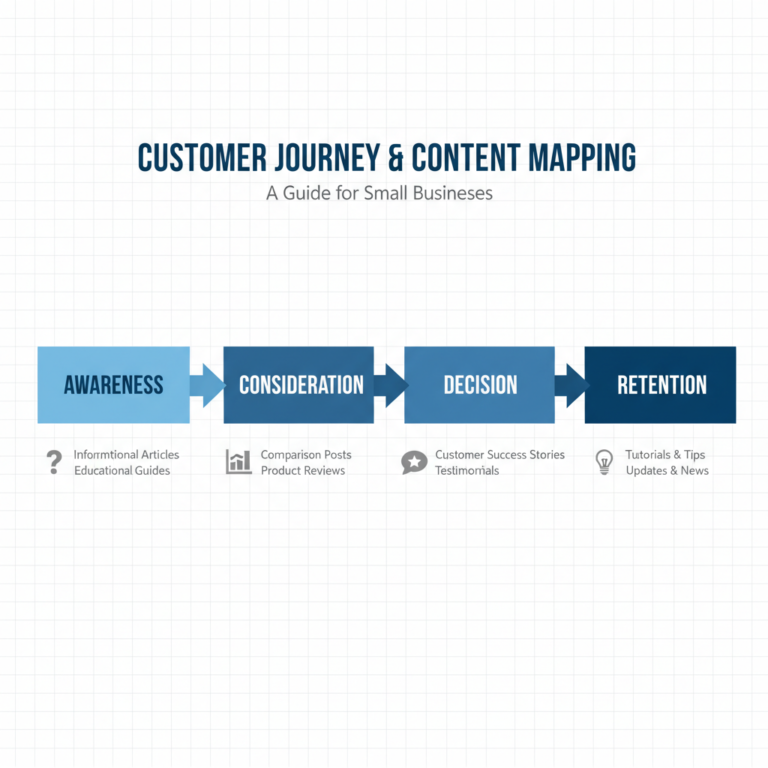
The next step might be another article, a worksheet, a product page, or a contact form. It should match the reader’s stage and the article’s subject. A reader seeking basic information is not always ready for a sales call.
Make the page easy to use
- Use descriptive headings that let a reader scan the method.
- Keep paragraphs focused on one idea.
- Use lists for steps, inputs, and comparisons.
- Define technical terms when they are necessary.
- Link only to genuinely related material.
A clear headline and a restrained call to action complete the structure.
Use the format as a template
Store the five sections in the publishing procedure so every new article starts with the same dependable frame. The details change with the topic; the decision path remains consistent. That reduces drafting time and makes the archive easier for readers to navigate.