Build a Repeatable Blog Publishing Procedure
Publishing becomes difficult when every article starts with the same unanswered questions: What should we write? Who checks it? Which links belong in it? Where is the image? Who presses Publish?
A standard operating procedure turns those repeated decisions into a visible process. It does not need to be elaborate. It needs to be clear enough that the work can be repeated after a busy week, a long pause, or a change in who performs it.
Define the publishing stages
A practical procedure can use seven stages:
- Capture: record customer questions and useful topic ideas in one place.
- Select: choose a topic that supports a real audience need and business objective.
- Prepare: define the reader, question, answer, evidence, and next step.
- Draft: write from an approved structure instead of a blank page.
- Verify: check facts, examples, links, images, and claims.
- Publish: complete the title, category, excerpt, author, and page settings.
- Maintain: review performance and update or retire the page when necessary.
Give every stage an owner and an output
“Review the post” is vague. “Verify every factual claim, open every link, and record approval in the schedule” is usable. For each stage, document who performs it, what they need, what they produce, and what must be true before the article advances.
Build small checklists
The writing checklist may include the intended reader, main question, supporting evidence, internal links, and next step. The publication checklist may include category, author, excerpt, featured image, mobile review, and final link test.
Keep the checklist short enough to use. A procedure that requires more effort than the task will be ignored.
Separate judgment from routine
Topic selection, factual interpretation, and final approval require judgment. File naming, link testing, category assignment, and schedule entry are routine. Automate or template routine work only after the manual process is reliable.
Review the procedure after real use
Run the process several times, note where work stalls, and revise the instructions. A good procedure is not frozen; it becomes clearer as the work exposes missing decisions.
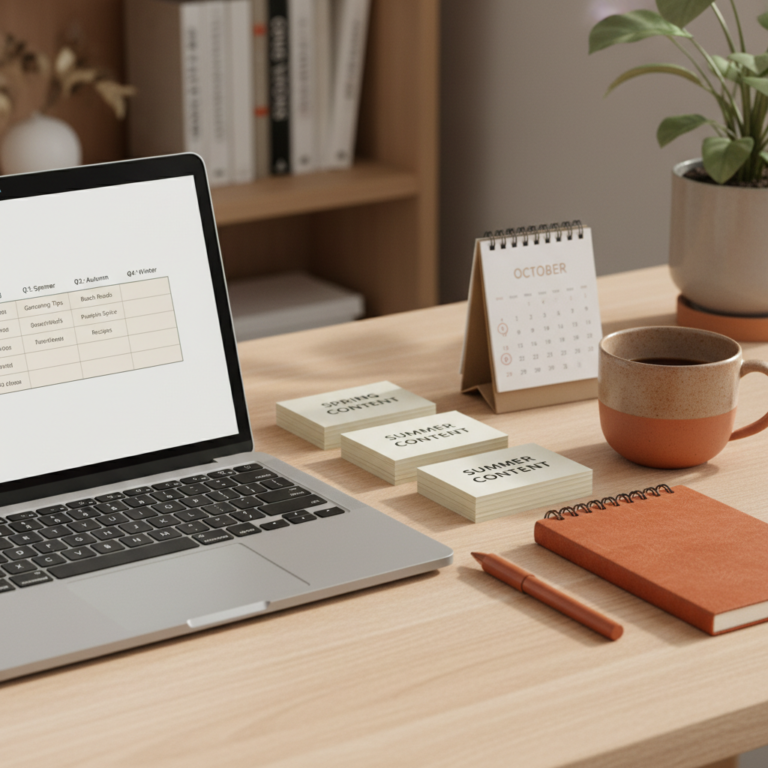
Pair the procedure with a maintainable content calendar and a periodic content audit. Together they form a manageable content system rather than another publishing treadmill.