Map Blog Content to the Customer Journey
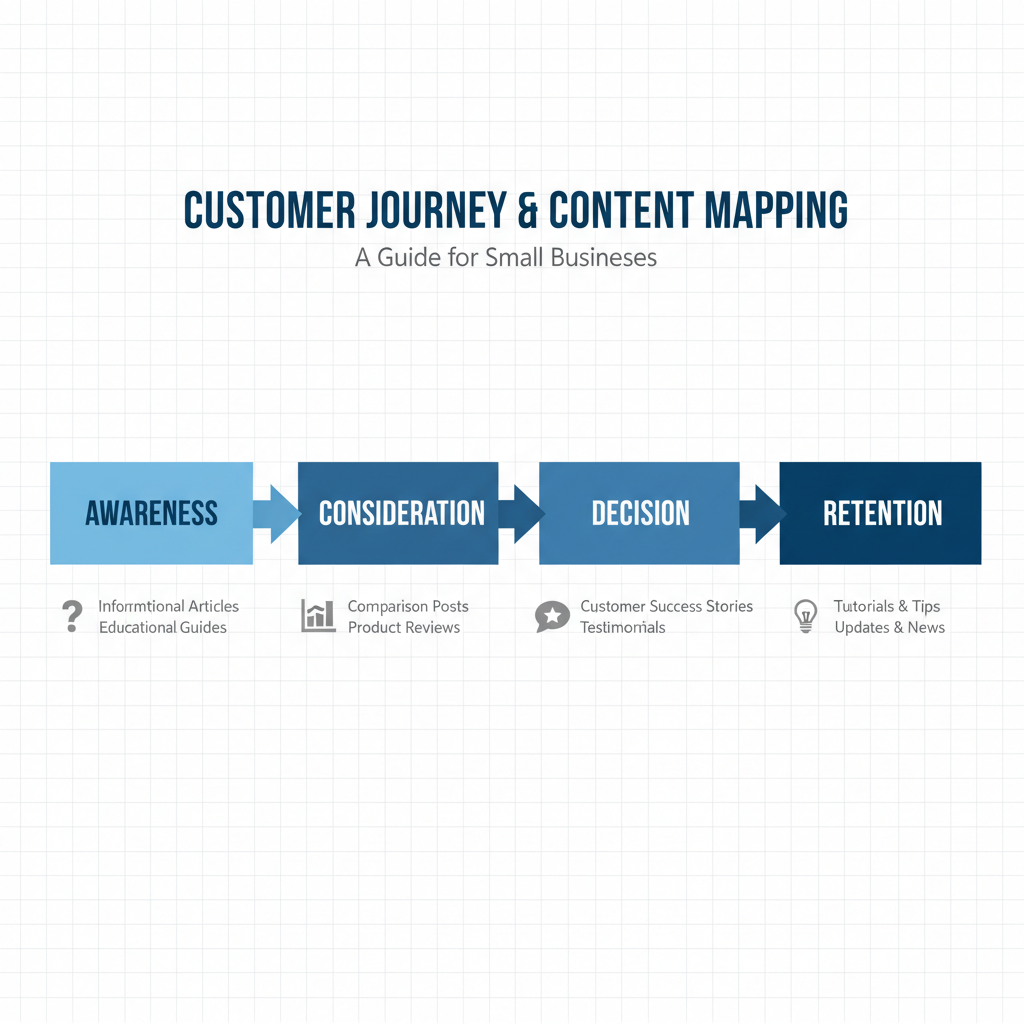
Business content becomes easier to plan when each article has a job in the customer’s decision process. The same sales message repeated at every stage leaves early readers pressured and later readers without enough detail.
Use four practical stages
Awareness
The reader recognizes a problem but may not know its name or consequences. Useful content explains the situation, common causes, and what information to gather.
Consideration
The reader compares approaches. Provide checklists, cost factors, tradeoffs, examples, and “when this is enough” guidance.
Decision
The reader evaluates a specific product, service, or provider. Explain deliverables, limitations, required inputs, pricing structure, and what happens next.
Use and retention
The customer needs help succeeding after the decision. Provide setup instructions, maintenance procedures, troubleshooting, examples, and related resources.
Map the existing archive
Add a journey-stage column to the content inventory. Assign each article one primary stage. If nearly everything sits in Awareness, the archive may attract readers without helping them continue. If everything asks for a purchase, the site may lack the educational material that earns confidence.
Connect the stages
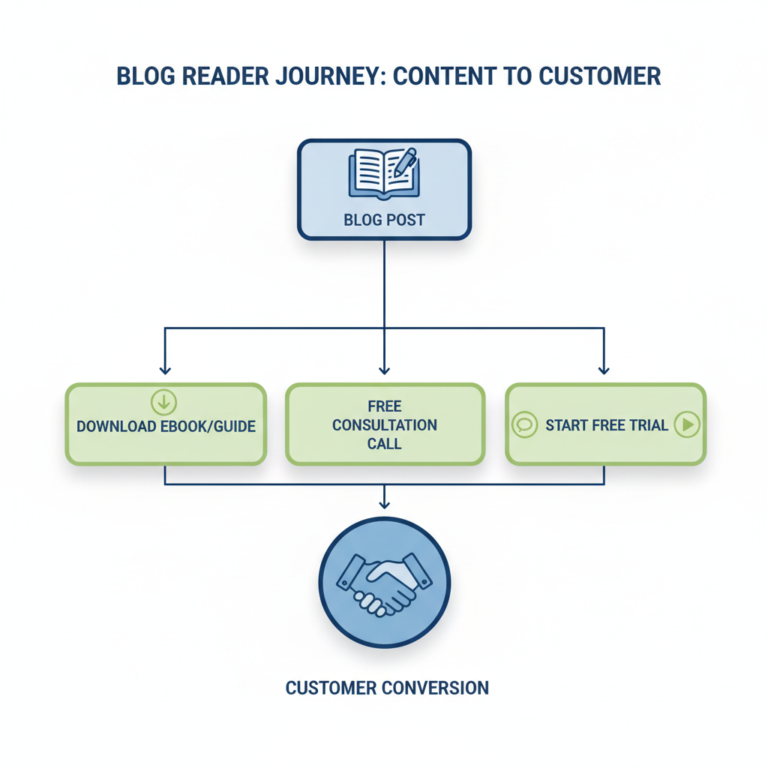
Use internal links and calls to action to guide the reader to the next appropriate answer. Do not force every path to end in a sales call.
Plan around gaps
Choose new topics by looking for missing questions in the journey, not by producing another variation of an existing headline. Customer emails, estimates, objections, support questions, and product instructions are strong sources.
Review the result
Track meaningful movement between related pages and the actions that follow. The goal is not to trap a visitor in the site; it is to make the decision easier and the next step obvious.