A Blog Content Calendar You Can Maintain
A useful content calendar shows what will be published, why it belongs, and what must happen before it is ready. It should reduce uncertainty rather than create a second job maintaining the calendar.
Start with business dates
Record product launches, operating seasons, customer deadlines, events, and maintenance periods. Schedule supporting content early enough to help before the decision or activity occurs.
Use a small set of fields
- working title and subject;
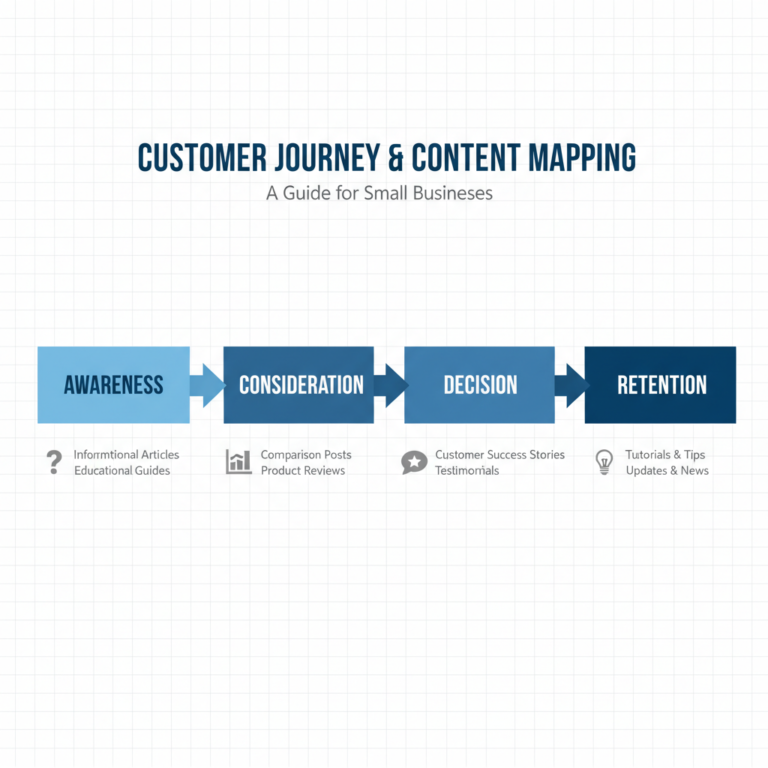
- intended reader and customer-journey stage;
- business purpose;
- responsible owner;
- status;
- planned publication date;
- destination or next step;
- source article and derived assets, when applicable.
Plan in topic clusters
Choose a foundational subject and its related questions instead of filling isolated dates with unrelated ideas. A small cluster is easier to research, link, and maintain.
Separate ideas from commitments
Keep an idea backlog, but do not give every idea a date. An item enters the publication calendar only when it supports a current objective and someone has accepted responsibility for it.
Use realistic statuses
A simple workflow might be: Idea, Approved, Drafting, Verification, Ready, Scheduled, Published, and Maintenance Due. The status should describe the work, not provide a vague percentage complete.
Review it regularly
Use a short weekly check for immediate blockers and a monthly review for priorities. Move dates when capacity changes; do not lower factual or editorial standards to protect a calendar square.
The calendar works best when paired with a repeatable publishing procedure and a controlled repurposing system.