Five Blog Metrics That Matter to a Small Business
A business blog does not need a complicated dashboard. It needs a short scorecard that answers a practical question: is the content helping people find, understand, and act on what the business offers?
Page views can be useful, but they are not the result by themselves. A smaller number of well-matched readers can be more valuable than a large number of visitors who leave without taking another step.
Use five measurements
1. Search visibility
Use Google Search Console to see which pages appear in search results, what queries lead to them, and whether impressions and clicks are changing over time. Look at the trend over several months instead of reacting to daily movement.
2. Useful landing pages
Identify the articles that bring people into the site. These are the pages worth maintaining first. Check whether each one is accurate, clearly connected to the business, and able to guide the reader to a useful next step.
3. Reader actions
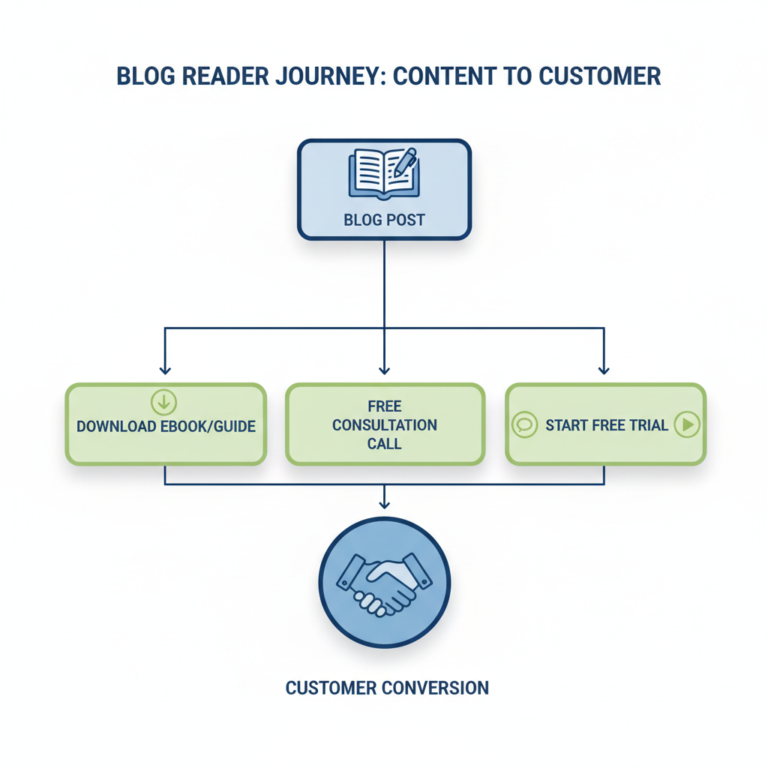
Decide which actions matter: visiting a service page, downloading a resource, joining an email list, submitting a form, or purchasing a product. Track only the actions that connect the article to a real business objective.
4. Engagement
Google Analytics 4 reports engagement rather than the old Universal Analytics measurements. Use it as a diagnostic, not a grade. A short visit can mean the reader found an answer quickly; a long visit can mean interest or confusion. Compare the number with the purpose of the page.
5. Assisted results
A blog post is not always the final page viewed before a sale. Ask new customers how they found the business, review the pages they commonly visit before contacting you, and note articles that repeatedly appear in successful customer journeys.
Create a monthly scorecard
A simple spreadsheet is enough. Give each month one row and record:
- search clicks and impressions;
- the five most-visited articles;
- important actions originating from blog pages;
- one article to update;
- one content gap revealed by customer questions.
Review the scorecard once a month. The purpose is to make one useful decision, not to produce a report nobody uses.
Read the numbers in context
If traffic grows but meaningful actions do not, the article may attract the wrong audience or lack a clear next step. If a low-traffic article generates inquiries, it may deserve more internal links and related content. If a formerly useful page declines, review its accuracy before replacing it.
For the larger maintenance process, use the practical content-audit framework. Analytics should direct the work; they should not become the work.