Blog Subscription Strategy Beyond Basic Email Lists
Look, I get it. You set up that newsletter signup form with the best of intentions. Maybe you even managed to collect a handful of email addresses before life got in the way. But here’s the thing about blog subscription strategy – if you’re only thinking about email newsletters, you’re missing half the picture.
Most busy business owners get stuck thinking there’s only one way to build an audience around their content. Sign up for my newsletter, get my posts delivered to your inbox. Simple, right? Except it’s not working like it used to.
People are overwhelmed by email. Their inboxes are battlegrounds, and your thoughtful business insights are fighting for attention against urgent client requests, family schedules, and that endless stream of other newsletters they somehow subscribed to.
The good news? There are smarter ways to connect with people who actually want to hear from you. Ways that fit how busy people really consume content today. Let’s talk about building a blog subscription strategy that works for real people with real lives.
Why Traditional Email Newsletters Are Struggling
Before we dive into alternatives, let’s be honest about why that newsletter approach feels so hard to maintain. It’s not just you – the whole landscape has shifted.
Email open rates have been declining for years. People subscribe with good intentions, then never see your content because it gets buried. Or worse, they see it but don’t have time to read it right then, and by the time they do have five minutes, it’s three weeks later and the moment has passed.
Meanwhile, you’re over here stressing about having enough content for a regular newsletter schedule. You know content planning for real people with real lives shouldn’t feel impossible, but somehow that monthly newsletter deadline keeps creeping up on you.
The problem isn’t that email is dead. The problem is treating email like the only way to stay connected with your audience. Smart business owners are diversifying their approach.
RSS: The Subscription Method That Never Went Away
Here’s something interesting – while everyone was obsessing over social media algorithms and email deliverability, a quiet group of people kept using RSS feeds. These are the folks who really want to stay updated on your content without the noise.
RSS subscribers are gold. They’ve made an intentional choice to follow your blog. They’re using feed readers like Feedly, Inoreader, or even Apple News to organize all the content they care about in one place.
The beautiful thing about RSS? You don’t have to do anything extra. Every blog platform creates RSS feeds automatically. Your job is just to mention it exists. Add a simple “Subscribe via RSS” link to your sidebar or footer. That’s it.
These subscribers won’t show up in your email analytics, but they’re often your most engaged readers. They see your posts when they’re ready to read, not when your scheduler decides to hit send.
Making RSS More Accessible
Most people don’t know what RSS is, which is both a problem and an opportunity. Instead of using technical terms, try language like “Get updates in your news reader” or “Follow this blog in your favorite reading app.”
Consider adding a brief explanation: “Prefer to read blogs in Feedly, Apple News, or another reader app? Subscribe to our RSS feed for instant updates without email clutter.”
Social Media Following vs. Social Media Marketing
There’s a difference between building a social media following and doing social media marketing. One supports your blog subscription strategy; the other often distracts from it.
When you share your blog posts on LinkedIn, Twitter, or Facebook, some people will follow your profile not because they want to see your promotional content, but because they found your writing valuable. These followers are subscribing to your ideas, just through a different channel.
The key is consistency without overwhelm. You don’t need to be a social media guru. You just need to show up regularly with your actual insights, not just links to your latest posts.
This works especially well if you’ve focused on blog topics that drive business results. When your content solves real problems, people naturally want to follow the source.
Platform-Specific Strategies That Work
LinkedIn works great for B2B service providers. Share a key insight from your latest post, then link to the full article for people who want more detail.
Twitter is perfect for quick thoughts that expand into longer blog posts. Tweet your take on an industry trend, then write the full analysis on your blog.
Facebook groups in your industry can be goldmines for building relationships with potential readers. Contribute genuine value to conversations, and people will naturally check out your profile and blog.
Text Message Updates for Your Best Readers
This might sound old-school, but text message subscriptions are having a moment. Not for everyone – just for your most engaged readers who want immediate updates on your best content.
Tools like Community or SimpleTexting let you offer SMS updates without the complexity of full marketing automation. Someone signs up with their phone number, and you can send them a quick text when you publish something especially valuable.
The key word here is “valuable.” This isn’t for every blog post. This is for your best stuff – the posts you know will genuinely help someone’s business or solve a real problem they’re facing.
Think of it like this: if someone gave you their phone number and said “text me when you write something I really need to see,” what would qualify? That’s your SMS subscription content.
Creating Content Hubs That People Bookmark
Sometimes the best blog subscription strategy doesn’t involve subscribing at all. It involves creating content so useful that people bookmark your site and check back regularly.
This is where your content planning strategy really pays off. When you consistently publish helpful content on topics your audience cares about, your blog becomes a resource they turn to.
Consider creating themed content series that people can follow without formal subscription. “Marketing Tips for Service Businesses” published every other Tuesday. “Client Communication Scripts” shared monthly. Content series give people a reason to check back without the pressure of formal commitment.
The goal is becoming the blog they think of when they have a specific problem in your area of expertise.
Making Your Blog Bookmark-Worthy
Organize your content so returning visitors can easily find what they need. Use clear categories and consider creating a “Start Here” page for new readers.
Keep an updated “Popular Posts” or “Most Helpful Articles” section visible on every page. Make it easy for casual visitors to discover your best content.
Remember, even 15-minute blog posts can be incredibly valuable when they address specific problems your audience faces.
Building Your Blog Subscription Strategy Mix
The smartest approach combines multiple subscription options without making yourself crazy trying to manage them all.
Start with what you already have. Your blog creates RSS feeds automatically. Your social media profiles exist. Your email list might be small, but it’s something.
Then add one new approach that fits your style and your audience’s preferences. If you’re comfortable on LinkedIn, focus on building genuine connections there. If you love the immediacy of text messaging, experiment with SMS updates for your best content.
The goal isn’t to be everywhere. It’s to be accessible to people who want to follow your insights in the way that works best for them.
Making It Easy to Find
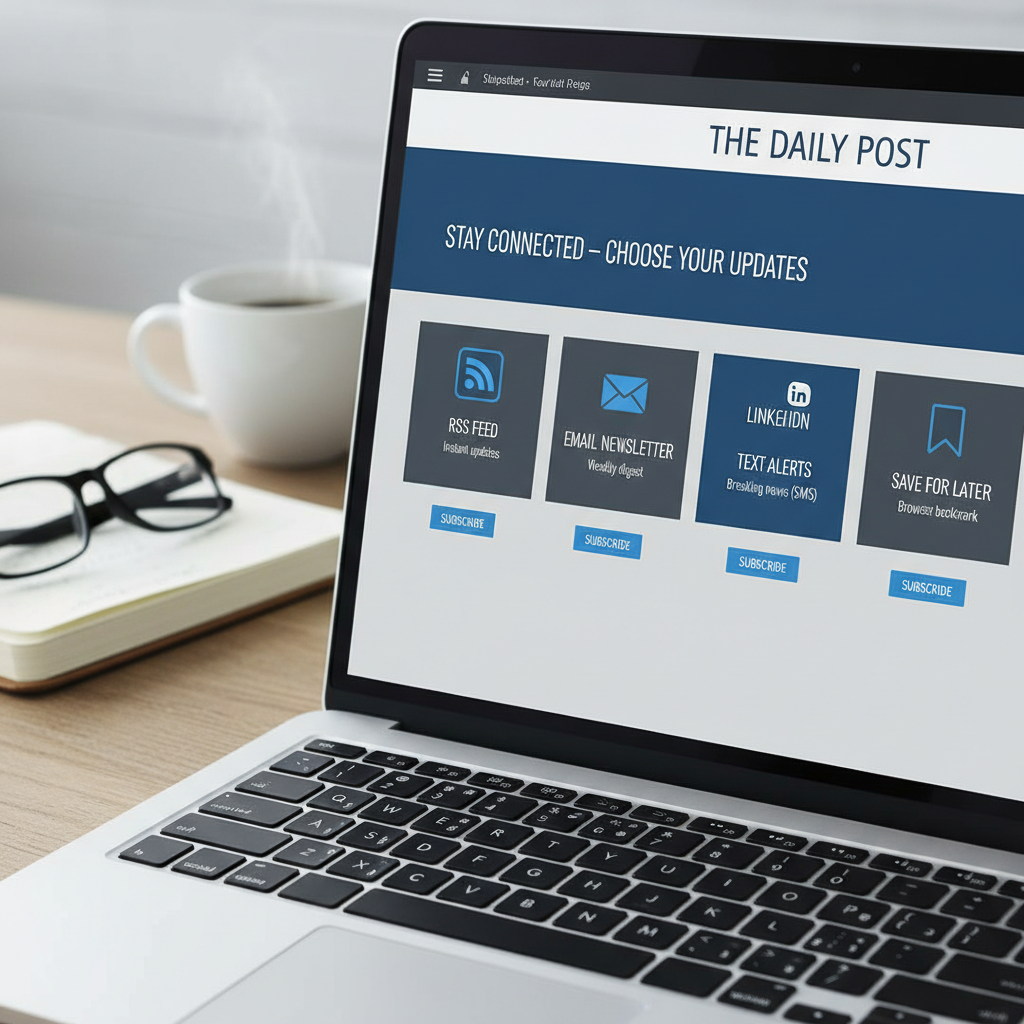
Whatever subscription options you offer, make them easy to discover. Add a simple “Stay Connected” section to your sidebar or footer that lists your available options without overwhelming people with choices.
“Get new posts by email” (if you offer newsletters)
“Follow on LinkedIn” (with your profile link)
“Subscribe via RSS” (with a brief explanation)
“Text updates for our best content” (if you offer SMS)
Keep the language simple and benefit-focused. People don’t care about your blog subscription strategy – they care about staying informed on topics that matter to their business.
The Content That Makes People Want to Subscribe
Here’s the thing about any subscription strategy: it only works if you’re consistently publishing content people actually want to read. This ties directly into why your business blog died in the first place.
People subscribe to blogs that help them solve real problems or think differently about challenges they’re facing. They don’t subscribe to blogs that publish content just to fill a schedule.
Focus on being genuinely helpful rather than just consistent. Better to publish one really useful post per month than four mediocre ones. Your subscribers – whether they follow via email, RSS, social media, or bookmarks – will appreciate quality over quantity every time.
This is why perfect blog posts aren’t the goal for small business owners. Helpful posts are. Posts that give people something they can actually use in their business or life.
Measuring Success Beyond Email Open Rates
Traditional email metrics tell only part of the story. When you diversify your blog subscription strategy, you need to think differently about what success looks like.
RSS subscribers don’t show up in your email analytics, but they might be your most engaged readers. Social media followers might not click through to every post, but they’re building familiarity with your expertise. People who bookmark your site might visit less frequently but read more thoroughly when they do.
Instead of obsessing over subscriber counts, pay attention to the quality of engagement you’re getting. Are people referencing your posts in conversations? Sharing them with colleagues? Reaching out to work with you after reading your content?
Those are the metrics that matter for a small business blog subscription strategy.
Getting Started Without Overwhelming Yourself
If this all feels like too much to implement at once, relax. Remember, the goal isn’t to revolutionize your blog overnight. It’s to give people more ways to stay connected with your insights.
Start by making sure your RSS feed is easy to find. Add one simple link, maybe with a brief explanation of what RSS is. That takes five minutes and requires no ongoing maintenance.
Then pick one social media platform where your ideal clients spend time and commit to sharing genuine insights there regularly. Not just links to your blog posts, but actual valuable thoughts that give people a taste of your expertise.
The beauty of a diversified blog subscription strategy is that each component works independently. You don’t need to coordinate elaborate campaigns across multiple channels. You just need to consistently show up with valuable content and make it easy for interested people to stay connected.
Your blog can work harder for your business when it’s accessible to people in the ways they prefer to consume content. Email newsletters are great for some people. RSS feeds work better for others. Social media following fits perfectly for busy professionals who live on LinkedIn.
The key is meeting your audience where they are, not forcing them to adapt to your preferred communication method. When you do that, you’ll find that building an engaged readership becomes much more natural – and much less stressful than trying to force that traditional newsletter approach that never quite felt right anyway.