Blog Excerpt Strategy: First Impressions That Convert
Your blog excerpt strategy might be the most overlooked piece of your entire content puzzle. You spend an hour writing a great post, give it a solid headline, hit publish – and then completely ignore the little preview blurb that shows up everywhere your post gets listed. That’s like putting on a sharp suit and forgetting to comb your hair. The excerpt is the handshake before the door opens. And for a lot of small business owners, it’s silently costing them clicks every single day.
Let’s fix that. Today we’re talking about what blog excerpts actually are, why they matter more than you think, and how to write them so people actually want to read what you wrote.
What Is a Blog Excerpt, Exactly?
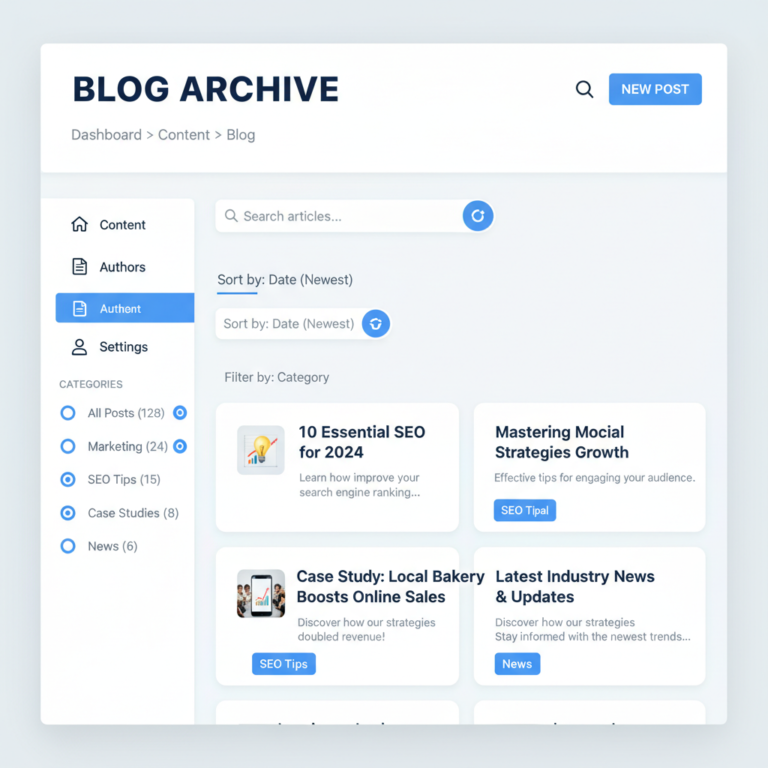
A blog excerpt is the short preview text that appears on your blog’s homepage, category pages, and sometimes in search results or social media shares. It’s usually two to four sentences – or roughly 150 to 300 characters – that give readers a taste of what the full post contains.
Most blogging platforms, including WordPress, will automatically pull the first sentence or two from your post if you don’t write a custom excerpt. That sounds convenient. In practice, it’s a problem.
Those auto-generated previews often start mid-thought, bury the real value, or just sound awkward without context. They were written to be read after a reader has already clicked in. They weren’t written to earn the click in the first place.
That’s the whole job of a well-crafted excerpt: earn the click.
Why Your Blog Excerpt Strategy Deserves Serious Attention
Think about how people actually land on your blog. Some come from Google. Some from social media. Some are returning visitors browsing your archive. In nearly every case, they see a list of posts – and the excerpt is what they use to decide which one is worth their time.
If you’ve already done the work of writing headlines that actually get clicked, that’s a great start. But the headline is just the subject line. The excerpt is the first paragraph of the email. It’s what either pulls them in or lets them scroll past.
A strong excerpt does three things at once. It tells readers what the post is about. It hints at the value they’ll get. And it creates just enough curiosity to make clicking feel like the obvious next move.
Do this well and your blog page stops feeling like a dusty archive. It starts feeling like a helpful resource worth exploring.
The Most Common Excerpt Mistakes Small Business Owners Make
Before we get into what works, let’s name what doesn’t. These are the patterns I see all the time on small business blogs, and they’re easy to fix once you know what to look for.
Letting WordPress Write It for You
Auto-generated excerpts are almost never good. They pull from wherever the post starts – which might be a transition sentence, a statistic, or worse, a subheading. None of those things are designed to hook a cold reader.
Take five minutes when you publish each post and write the excerpt yourself. Every single time. It’s worth it.
Summarizing Instead of Selling the Click
There’s a difference between summarizing a post and compelling someone to read it. A summary says, “This post covers X, Y, and Z.” A good excerpt says, “Here’s why X, Y, and Z matter to you specifically – and what you’ll be able to do differently after reading this.”
One is a table of contents. The other is an invitation.
Being Vague in the Name of Being Clever
Some business owners try to write mysterious, teaser-style excerpts that withhold so much information the reader has no idea what they’re clicking into. That can work in certain contexts. For most small business blogs, it just creates confusion.
Be clear first. Be clever second. Always in that order.
Not Matching the Tone of the Post
If your blog post is warm, conversational, and practical – your excerpt should be too. If the excerpt sounds stiff and corporate, readers will expect a stiff, corporate post. When they find something different, it creates a small but real sense of disconnect.
Consistency builds trust. Your excerpt sets the expectation. Make sure the post delivers on it.
How to Write a Blog Excerpt That Actually Converts
Here’s where we get practical. A good blog excerpt strategy doesn’t require a copywriting degree. It requires knowing what your reader needs to hear before they’ll commit to clicking.
Start With the Problem, Not the Post
The fastest way to hook a reader is to name something they’re already thinking about. Not what the post is about – what they’re struggling with. Lead with the pain point, the question, or the frustration that the post answers.
For example, instead of: “In this post, we cover five ways to improve your email open rates.”
Try: “You spend an hour on every email and half your list never opens it. Here’s what’s actually getting in the way – and what fixes it.”
See the difference? The second version talks to the reader, not at them.
Use Specific Numbers or Details When You Have Them
Vague promises don’t inspire clicks. Specific ones do. If your post includes a concrete number, a timeframe, or a real example, lead with it in the excerpt.
“Five ways to…” is fine. “The one thing most small business owners skip when setting up their blog” is better. Specificity signals that the content inside has real substance – not just general advice someone could find anywhere.
End With a Soft Push Toward the Click
You don’t need a hard call to action in every excerpt. But a light nudge in the right direction doesn’t hurt. Something like “Here’s how to change that.” or “It’s simpler than you think.” or even “Read this before your next post goes live.”
These phrases create a natural forward motion. They make clicking feel like the logical next step, not a commitment.
Keep It Short and Punchy
Aim for two to three sentences. That’s usually enough to hook someone without over-explaining. If your excerpt is running four or five sentences, it’s probably trying to do too much. Cut it down. Leave a little mystery.
Think of it less like a preview and more like a movie trailer. You want them wanting more – not feeling like they’ve already seen the whole thing.
Putting Your Blog Excerpt Strategy to Work Across Your Site
A solid excerpt isn’t just for your blog homepage. Once you start writing them intentionally, you’ll find they’re useful in a lot of places.
Category Pages
If you’ve done any work on blog categories that help customers find you, you already know that category pages are often underused. Good excerpts make those pages feel like curated reading lists rather than random archives. Readers can scan quickly and self-select into the posts that matter most to them.
Email Newsletters
If you’re building an email list from your blog posts, excerpts are a natural fit for your newsletter format. Instead of summarizing each post from scratch every week, you can use a polished version of your custom excerpt as the teaser that drives clicks back to your site.
Less work, better results. That’s the kind of content efficiency every busy business owner can appreciate.
Social Media Previews
When your posts get shared on Facebook, LinkedIn, or other platforms, the meta description or excerpt often populates the preview automatically. That means a well-written excerpt can do double duty – pulling readers from your blog page AND making your social shares look more compelling.
This is one of those small details that even basic blog SEO benefits from getting right.
The Excerpt Audit: A Quick Win for Older Posts
If you’ve been publishing for a while, there’s a good chance most of your existing posts have auto-generated or weak excerpts sitting there quietly underperforming. The good news is that fixing them is fast work.
Set aside an hour – seriously, just one hour – and go through your most-visited posts. Write a custom excerpt for each one using the framework above. Start with the problem, add a specific detail if you have one, end with a soft push. Two to three sentences. Done.
This kind of content audit work doesn’t require writing anything new. You’re just polishing what you already have. And in many cases, it can meaningfully improve click-through rates from search results and your own blog pages.
Think of it as returning to a garden you planted and finally pulling the weeds. The flowers were always there. You’re just making it easier for people to see them.
Making This a Habit Without Burning Out
Here’s where I want to be honest with you. If blogging has been a struggle to keep up with – and for most small business owners, it has been – adding another task to the publishing process can feel like the last thing you need.
But writing a good excerpt takes five minutes if you know what you’re doing. That’s it. Five minutes per post to dramatically improve what readers see before they decide to click.
If you’ve found ways to make the writing itself faster – like the approach in this 15-minute blog post method – the excerpt just becomes the final step before you hit publish. Work it into your process once, and it stops feeling like extra work.
The same way you wouldn’t rush out the door without checking how you look, you shouldn’t publish a post without checking how its preview looks. That preview is meeting your readers before you do.
Your Blog Excerpt Strategy Starts Right Now
Here’s a simple challenge. Go look at your blog homepage right now. Read the excerpt under each post title. Ask yourself: would a stranger click on that? Does it speak to a real problem? Does it create any curiosity at all?
If the answer is no – or “I’m not sure” – you’ve just found some of the lowest-hanging fruit on your entire website.
You’ve already done the hard work of writing the posts. You’ve already put in the time, the thinking, the effort. A strong blog excerpt strategy is what makes sure that work actually gets seen.
And if you’re still working on getting your blog back on track after a quiet stretch, know that you’re not starting from zero. You’re starting from experience. That matters. Reviving a quiet blog is entirely doable – and small improvements like better excerpts are exactly the kind of thing that builds momentum without requiring a massive overhaul.
One good excerpt. Then another. Then another. That’s how it works.