Blog Post Length: What Actually Works for Small Business
If you’ve spent more than ten minutes reading blogging advice online, someone has told you that your posts need to be at least 2,000 words. Maybe even 3,000. The logic sounds reasonable — longer posts rank better, cover more ground, show more authority. But here’s the thing: that advice was written for content marketers chasing national SEO dominance, not for a plumber in Tulsa or a family therapist in Charlotte trying to connect with people in their own backyard. Blog post length is not one-size-fits-all, and treating it like it is might be exactly why your blog isn’t doing much for you right now.
Let’s slow down and look at what actually works — with real examples, honest trade-offs, and none of the content-marketing hype.
Why the 2,000-Word Rule Doesn’t Apply to Most Small Business Blogs
The 2,000-word benchmark comes from studies done mostly on competitive, high-traffic keywords — the kind big brands and SEO agencies are fighting over. Think “best project management software” or “how to lose weight fast.” Those posts need length because they’re competing against hundreds of other well-funded websites.
Your situation is different. When someone searches for “roof repair in Knoxville” or “how to choose a family dentist,” they’re not looking for a 3,000-word essay. They want a clear answer, a reason to trust you, and a way to contact you. Giving them a 400-word post that nails all three things is worth more than a 2,500-word post that wanders.
This is something I touched on in The Case Against Perfect Blog Posts for Small Business — the idea that “good enough and published” almost always beats “perfect and never finished.” The same logic applies here. The right length is the length that serves your reader, not the length that impresses an algorithm.
The Three Lengths That Actually Work for Small Business
Instead of chasing a single word count, think in terms of three different post types. Each one has a job to do.
Short Posts: 300–600 Words
Short posts get a bad reputation, but they’re genuinely useful — and often the most underused tool in a small business owner’s blogging kit.
These posts work best for:
- Answering a single, specific question (“How long does a roof replacement take?”)
- Sharing a quick tip your customers mention often
- Announcing something local — a new service, a seasonal reminder, a community event you’re part of
- Responding to a question you answered on the phone three times this week
A landscaping company in Ohio started writing short, 400-word posts answering the questions their crews got asked on every job. Things like “When should I fertilize my lawn in Ohio?” and “Why does my grass turn brown in August?” Simple questions. Simple answers. Those posts now bring in steady local traffic every single month — without a single 2,000-word guide in sight.
Short posts are also easier to write consistently. If you’ve been struggling to keep your blog active, The 15-Minute Blog Post That Actually Works is worth a read. Short-form content is how a lot of business owners find their groove again after a long silence.
Medium Posts: 700–1,200 Words
This is the sweet spot for most small business blogs. Long enough to show some depth. Short enough to actually get written and actually get read.
Medium-length posts work well for:
- Explaining a process (“What happens during your first HVAC tune-up?”)
- Comparing options your customers weigh (“Wood fence vs. vinyl fence: which is right for you?”)
- Covering a topic from your area of expertise (“5 things to know before hiring a family attorney”)
- Building trust around a common concern or fear
A family law attorney in a mid-sized city started writing 800–1,000 word posts addressing the questions her clients were too nervous to ask in the first consultation. Her traffic tripled in eight months. More importantly, the clients who called after reading her posts were more prepared, more trusting, and faster to move forward. That’s what the right blog post length actually does — it prepares people to work with you.
If you’re looking for ideas to fill this format, Blog Topics That Drive Business Results for Small Owners has a solid list to pull from.
Long Posts: 1,500–2,500 Words
Yes, long posts still have a place — just not as your default. Reserve them for topics that genuinely need the space.
Long-form posts make sense when:
- You’re creating a true guide — the kind people bookmark and return to
- You’re targeting a keyword where the competition really is strong
- You’re covering a topic with many legitimate parts that can’t be cut without losing value
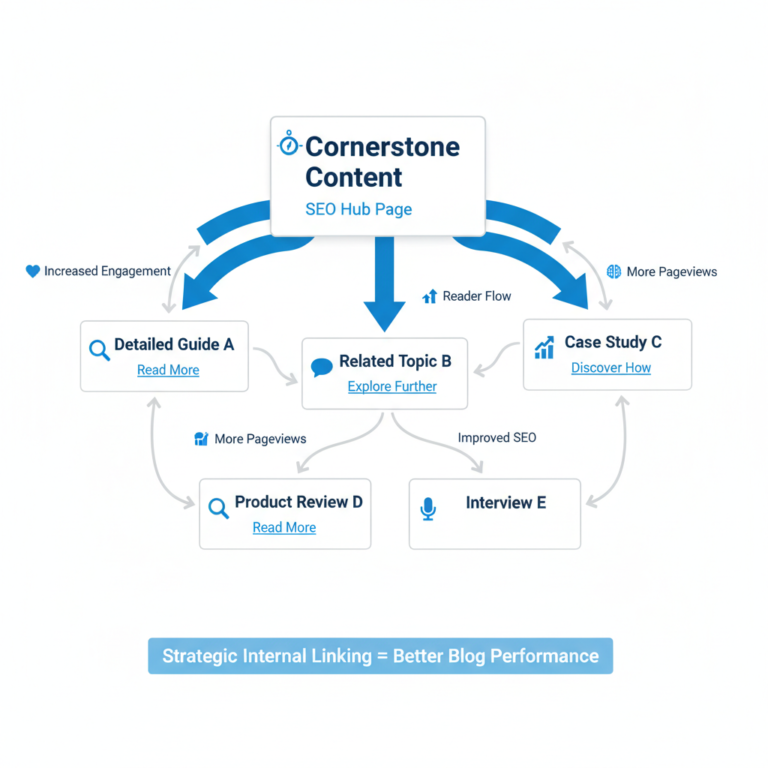
- You want one anchor post to link back to from many shorter ones
A home remodeling contractor wrote a 2,200-word guide called “The Complete Kitchen Remodel Checklist for Homeowners.” It covers planning, budgeting, permits, timelines, and questions to ask contractors. That one post has been shared in neighborhood Facebook groups, linked to by real estate agents, and brings in qualified leads two years after it was published. That’s a long post earning its keep.
But notice — he also writes regular 500–800 word posts about specific remodeling questions. The long post works because it’s surrounded by useful, focused content. Not because length alone made it valuable.
How to Match Blog Post Length to What Your Customers Actually Want
Here’s a simple way to figure out what length a topic deserves. Ask yourself two questions:
1. How much does my reader need to know to feel confident?
If someone just needs a quick answer, a short post is respectful of their time. If they’re making a significant decision — hiring a contractor, choosing a medical provider, investing in a service — they probably want more. Give them what they need to feel ready, not more than that.
2. Can I answer this well in fewer words?
If yes, do that. Padding a post to hit a word count is one of the fastest ways to lose a reader. People can feel filler. They click away.
This connects to something important about how your blog should actually work. It’s not just a word factory — it’s a relationship builder. Think about when your blog should sell and when it shouldn’t. Length plays into that too. A heavy sell in a 300-word post feels pushy. A gentle call-to-action at the end of a genuinely helpful 900-word post feels natural.
Real Talk: Length Only Matters If You’re Actually Publishing
I want to say something that might sting a little. The perfect-length blog post you haven’t written yet is worth exactly nothing. The 600-word post you published last Tuesday is worth a whole lot more.
One of the most common reasons small business blogs go quiet is that owners have convinced themselves they need to write something substantial before it’s worth posting. If that sounds familiar, you might want to read Why Your Business Blog Died (And How to Revive It). The solution is almost never “write longer posts.” It’s usually “lower the bar enough to start again.”
Consistency beats length. A blog that publishes 600-word posts twice a month will outperform a blog that publishes one 2,500-word post every four months — in search traffic, in reader trust, and in business results. That’s not a guess. That’s what the data shows, and it’s what I’ve seen play out with real business owners.
On that note, if you haven’t worked out a realistic publishing schedule yet, Real-Life Content Planning for Busy Business Owners is a good place to start. It’s built around actual constraints — not a fantasy version of your week where you have three free hours every Tuesday.
A Simple Framework to Decide Blog Post Length Before You Write
The next time you sit down to write a post — or to plan a few posts out — try this quick decision framework:
- Answering one specific question? → 300–600 words
- Explaining a process or comparing options? → 700–1,200 words
- Building a comprehensive guide or targeting competitive keywords? → 1,500–2,500 words
- Not sure? → Start writing and stop when you’ve said everything useful. Don’t add more.
That last one is the most honest advice I can give you. Write until you’re done. Not until you hit a number.
And if you want to make sure your posts — whatever length they are — are actually findable, check out Blog SEO Basics for Small Business Owners Who Hate SEO. It won’t make your eyes glaze over, I promise.
The Bottom Line on Blog Post Length for Small Business
The “experts” pushing 2,000-word minimums aren’t wrong for their audience. They’re just not talking to you. Your customers have different needs. Your competition is different. Your time is different.
The right blog post length for your small business blog is the length that answers your reader’s question, builds a little trust, and leaves them knowing what to do next. Sometimes that’s 400 words. Sometimes it’s 1,800. Mostly, it’s somewhere in the middle — and mostly, what matters more is that you actually write it and hit publish.
Stop optimizing for a word count nobody agreed on. Start writing posts your actual customers want to read. That’s where the results are.