Local Business Blog Strategy: Why Location-Based Content Wins
If you’re running a local business and following generic blogging advice, you’re fighting with one hand tied behind your back. Local business blog strategy isn’t just regular blogging with your city name sprinkled in. It’s a completely different game with different rules, different advantages, and frankly, different results.
Most content marketing advice comes from folks targeting national or global audiences. They’re playing in a massive ocean where standing out requires enormous resources. But you? You’re fishing in a pond where everyone knows everyone, where reputation travels faster than any Facebook ad, and where being genuinely helpful to your neighbors actually matters more than keyword density.
Let me share what fifteen years of helping local businesses has taught me about content that actually moves the needle.
Why Generic Blog Advice Falls Short for Local Businesses
Here’s the thing about most blogging advice: it assumes you’re trying to rank against Amazon, Wikipedia, and every major publication on the planet. The strategies make sense if you’re trying to capture millions of eyeballs. But they’re overkill when you need maybe a few hundred local customers to find you.
Generic advice tells you to write 2,000-word comprehensive guides. Local customers want to know if you’re open on Saturdays. Generic advice says optimize for broad keywords. Your customers are searching “plumber near downtown Springfield.” See the disconnect?
Moreover, generic strategies ignore your biggest advantage: you actually know your customers. You see them at the grocery store. You know their kids’ names. You understand their specific problems because you live in the same community.
This personal connection changes everything about how you should approach content. Instead of trying to be everything to everyone, you can be exactly what your neighbors need.
The Hidden Advantages of Local Business Blog Strategy
Local businesses have content advantages that big corporations would pay millions for, if they could buy them. First, you have genuine community insight. You know Mrs. Johnson’s garage door has been squeaking for months, and that the Patel family just moved in and needs everything.
Second, you have built-in credibility. When you write about “preparing your HVAC system for Springfield’s humid summers,” people trust you because you’ve lived through twenty of those summers yourself. When national companies write about Springfield weather, it feels like they’re reading from a script.
Third, you have real relationships. Your blog isn’t just content-it’s conversation continuation. The customer who chatted with you about garden drainage last week is excited to read your post about proper yard grading. That’s engagement money can’t buy.
Finally, you have local SEO advantages that are almost unfair. Google wants to show local businesses to local searchers. Your blog posts don’t need to compete with every website in the world-just the ones in your area. And honestly, most of your local competitors probably don’t even have active blogs.
Content Topics That Actually Matter to Local Customers
Here’s where local business blog strategy gets interesting. Your content topics should feel like neighborhood conversations, not corporate communications. Instead of “10 Ways to Improve Your Home’s Energy Efficiency,” try “Why Springfield Electric Bills Spike in July (And What We’re Doing About It).”
Write about local events and how they affect your business. “Why We’re Closed During Harvest Festival (And Where to Find Us Instead).” Address local concerns: “The Downtown Construction Project: What It Means for Our Customers.” Share local success stories: “How We Helped the Miller Farm Upgrade Their Irrigation System.”
Seasonal content hits differently when it’s locally focused. Everyone writes about “spring cleaning.” You can write about “Getting Your Deck Ready for Springfield’s Spring Storm Season.” The specificity makes all the difference.
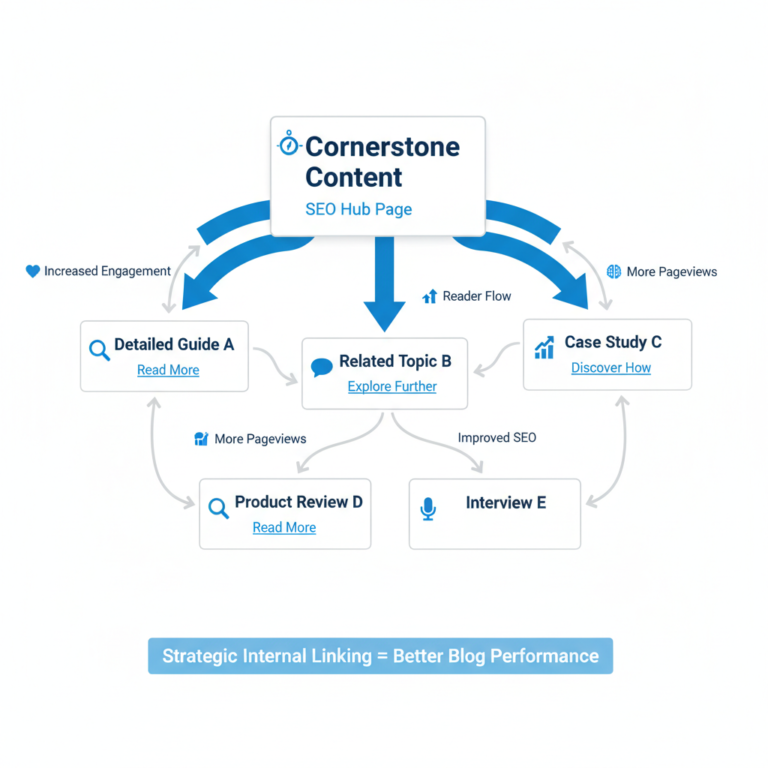
As I mentioned in my post about blog topics that drive business results, the best content solves real problems your customers actually have. For local businesses, those problems are often hyperspecific to your area.
Leveraging Local Events and Seasonal Patterns
Your local business blog strategy should pulse with your community’s rhythm. The high school football schedule, the farmers market season, the annual arts festival-these aren’t just background noise. They’re content opportunities and customer behavior predictors.
Plan content around local events. Before the county fair, write about equipment maintenance for vendors. Before graduation season, discuss catering for parties. Before winter, address specific weatherization needs for your climate zone.
But here’s the key: don’t just mention these events. Use them to demonstrate your community knowledge and customer focus. When you write “Preparing Your Restaurant for Homecoming Weekend Rush,” you’re showing you understand local business cycles.
This approach also helps with consistency-a common struggle I addressed in my post about why business blogs die. Local events give you a content calendar that actually makes sense for your business and your customers’ lives.
Building Genuine Community Connections Through Content
Local business blog strategy isn’t just about attracting new customers-it’s about strengthening relationships with existing ones. Your blog becomes a way to stay connected between purchases, to share your expertise generously, and to position yourself as a community resource rather than just a vendor.
Write about local challenges your customers face, even when they’re not directly related to your services. The accountant who writes about navigating local business licensing requirements. The restaurant owner who shares insights about supporting other local businesses. The contractor who explains local building codes.
This community-focused approach builds something more valuable than traffic: it builds trust. When people see you contributing to community knowledge and supporting local interests, you become more than a business. You become a neighbor worth recommending.
Remember, in local markets, word-of-mouth referrals matter more than search rankings. Your blog can be the conversation starter that leads to those referrals.
Local SEO Benefits You Can’t Get Any Other Way
Here’s where local business blog strategy gets really powerful: the SEO advantages are almost automatic if you’re genuinely serving your community. When you write about local topics using local language, you naturally incorporate the geographic and industry terms people search for.
“Springfield HVAC repair,” “downtown plumbing emergency,” “Westside auto service”-these phrases appear organically when you’re genuinely writing for local customers. You don’t need to force them or worry about keyword stuffing because they’re part of how you actually talk about your work.
Plus, local content earns local links naturally. The chamber of commerce blog, local newspaper, community Facebook groups-they link to genuinely helpful local content. These local links carry tremendous SEO weight because they signal to Google that you’re truly embedded in your community.
Google’s local algorithm also rewards businesses that demonstrate local expertise and involvement. Your blog posts about local issues, events, and concerns send strong signals about your community relevance.
Practical Implementation: Making It Manageable
Now, all this talk about local business blog strategy might sound overwhelming when you’re already juggling payroll, inventory, and customer service. But implementing a local focus actually makes content creation easier, not harder.
Start simple. As I outlined in my guide to 15-minute blog posts, you don’t need lengthy articles. A 300-word post about why you’re adjusting hours during the local street festival is valuable content.
Keep a running list of local topics: weather patterns that affect your customers, local events that impact your business, seasonal concerns specific to your area, common questions you hear from neighbors. This becomes your content bank.
Use the “show your work” approach I discussed in create more, write less. Document what you’re already doing: the seasonal prep work, the community involvement, the problem-solving for local challenges. Turn your daily work into content.
For content planning, focus on local rhythms rather than arbitrary publishing schedules. My post on content planning for real people explains how to build sustainable systems that work with your actual business cycle.
Measuring Success: Local Metrics That Matter
Success metrics for local business blog strategy look different too. You’re not chasing millions of page views or trying to go viral. You’re building relationships and capturing local search traffic.
Track local search rankings for your key service + location combinations. Monitor mentions in local online communities-are people sharing your posts in neighborhood Facebook groups? Pay attention to customer conversations-are they referencing your blog content?
Most importantly, track business results. Are you getting more calls from people who found you online? Are existing customers mentioning your blog posts? Are other local businesses referring to your content?
The goal isn’t internet fame. It’s becoming the obvious choice when neighbors need what you provide. Your blog should make you more memorable, more trustworthy, and more top-of-mind within your service area.
Common Mistakes to Avoid
The biggest mistake in local business blog strategy is trying to compete nationally while serving locally. Don’t write generic “how-to” posts that could apply anywhere. Write specific “how-to” posts that apply to your customers in your location.
Another mistake is neglecting the conversation aspect. Your local blog isn’t a billboard-it’s a community contribution. Respond to comments, engage on social media, and reference your posts in customer conversations.
Don’t obsess over posting frequency at the expense of relevance. As I discussed in my post about how often to blog, consistency matters more than frequency. One genuinely helpful local post per month beats four generic posts every week.
Finally, avoid the perfection trap I wrote about in the case against perfect blog posts. Local customers prefer authentic, helpful content over polished corporate speak.
Starting Your Local Content Strategy Today
Your local business blog strategy doesn’t need to launch with fanfare or require months of preparation. Start with what you know: your customers’ real concerns, your community’s unique characteristics, and your genuine expertise in serving local needs.
Pick one local topic you could write about this week. Maybe it’s preparing for the seasonal rush, addressing a common local concern, or sharing what you learned at last month’s chamber meeting. Write 200-300 words about it. Publish it. Share it naturally in conversations and on your social media.
Remember, you’re not trying to impress the entire internet. You’re trying to be helpful to people who could actually walk into your business, who live in your community, who share your local challenges and opportunities.
That’s a much smaller, much more achievable target. And ironically, by thinking smaller and more locally, you’ll often achieve bigger results than you would trying to compete on the global stage.
Your local business blog strategy should feel like an extension of the conversations you’re already having with customers and neighbors. Make it genuine, make it helpful, and make it consistently yours. The community connection will follow naturally.