Choose a Blog-Publishing Schedule You Can Maintain
The best blog-publishing schedule is the one the business can maintain without lowering accuracy or pushing more important work aside. Industry averages are poor instructions for a one-person operation.
Start with capacity
Estimate the full effort required for one article: topic selection, research, drafting, verification, editing, images, publication, and follow-up. A schedule based only on writing time will fail.
Choose a minimum viable rhythm
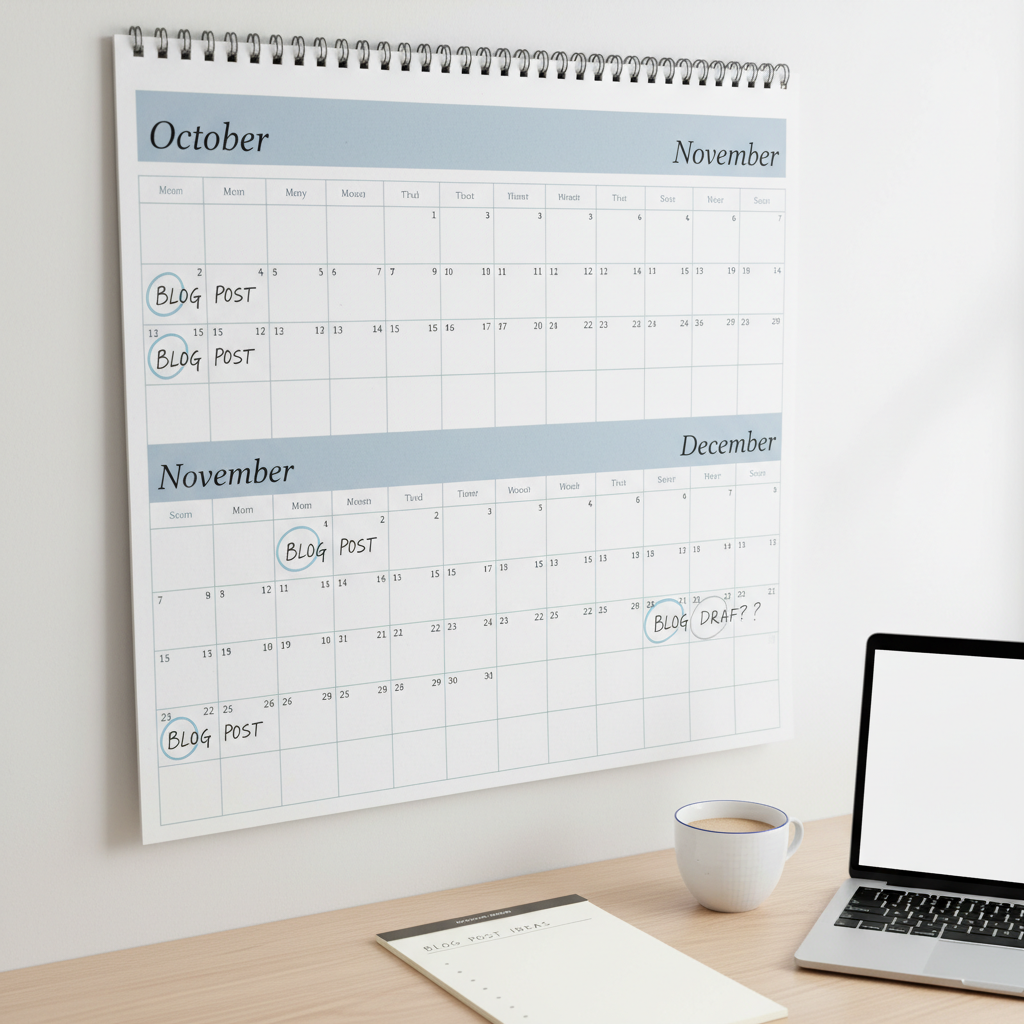
For many small businesses, one strong article every two to four weeks is enough to build an organized resource over time. A business with staff, established procedures, and a dependable topic pipeline may publish more often. The correct number depends on the system behind the work.
Match frequency to purpose
- Evergreen education: publish deliberately and maintain the archive.
- Product support: publish when customers need an answer.
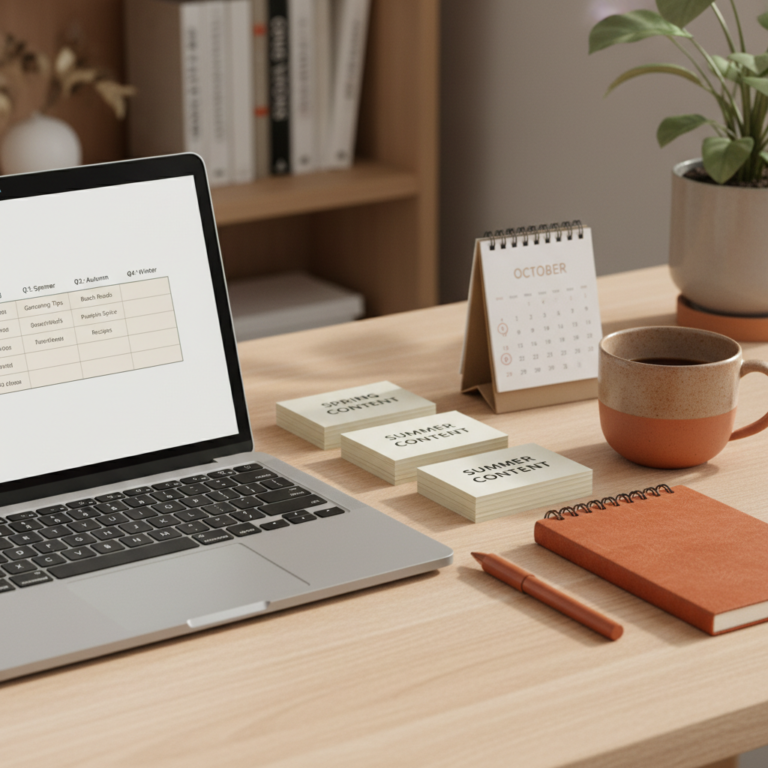
- Seasonal work: prepare articles before the buying or operating season.
- News and updates: publish only when something has materially changed.
Protect quality controls
Do not increase frequency by skipping fact checks, inventing examples, repeating old topics, or publishing articles that have no connection to the business. A smaller accurate archive is more valuable than an automated pile of near-duplicates.
Build recovery into the schedule
A missed date should not collapse the plan. Keep one or two evergreen topics ready, allow deliberate pauses, and define how the schedule restarts after an interruption. The blog-restart process can be used after a longer gap.
Review the rhythm quarterly
Ask whether the schedule produced useful articles, whether the work was sustainable, and whether the archive supports current products or services. Adjust the rhythm based on capacity and results, not pressure from a generic publishing calendar.
A schedule is a capacity commitment. Choose one that leaves enough time to do the work honestly.