|

Blog Reader Journey: Map Content to Customer Phases

You’re staring at your blog dashboard again, aren’t you? Twenty-three published posts, but your phone isn’t exactly ringing off the hook with new customers. Here’s the thing about most small business blogs: they’re throwing spaghetti at the wall instead of understanding the blog reader journey.

Most business owners write about whatever pops into their heads on Tuesday morning. Industry news. Personal insights. Random tips. But here’s what I’ve learned after watching hundreds of small businesses struggle with their content: your blog needs to meet people where they are in their buying process.

Today, we’re going to fix that. You’ll learn how to map your content to the customer journey phases, so every blog post you publish actually moves prospects closer to becoming paying customers.

Why the Blog Reader Journey Matters More Than You Think

Let me tell you about Sarah. She runs a local accounting firm and was publishing three blog posts a week. Impressive, right? Except she was writing about tax law changes for people who hadn’t even decided they needed an accountant yet.

Meanwhile, her competitor down the street published once a week but wrote posts like “5 Signs Your Business Needs Professional Bookkeeping” and “What to Bring to Your First Meeting with a CPA.” Guess who’s busier during tax season?

The difference? Sarah’s competitor understood that people don’t wake up ready to hire an accountant. They go through stages:

  • First, they realize they have a problem
  • Then, they research solutions
  • Next, they compare options
  • Finally, they make a decision

Your blog reader journey needs to match these stages. Otherwise, you’re essentially trying to propose marriage on the first date.

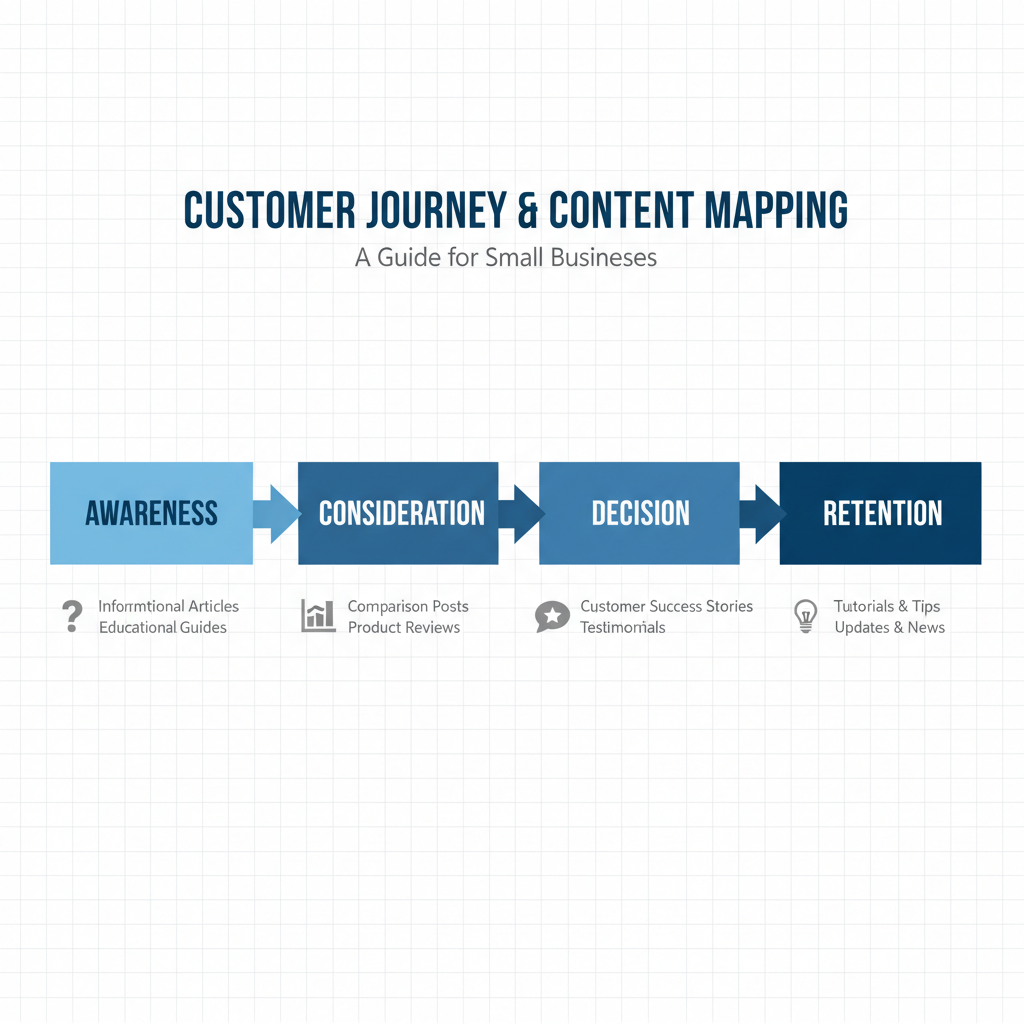
The Four Stages of the Customer Journey (And What They Mean for Your Blog)

Let’s break down each phase of the blog reader journey and what kind of content works best at each stage.

Stage 1: Awareness (“I Think I Have a Problem”)

At this stage, people know something’s wrong, but they can’t quite put their finger on it. They’re not searching for your specific service yet. They’re searching for answers to symptoms.

If you’re a web designer, they’re not Googling “custom website design.” They’re searching “why is my website so slow” or “how to get more customers online.”

Your awareness-stage content should:

  • Address problems, not solutions
  • Use the language your customers use, not industry jargon
  • Focus on education, not selling
  • Answer the “why” questions

Think diagnostic content. You’re the friendly expert helping them figure out what’s actually going wrong.

Stage 2: Consideration (“What Are My Options?”)

Now they know they have a problem and they’re actively looking for solutions. This is where your blog reader journey gets interesting because they’re comparing different approaches.

Going back to our web designer example: now they’re searching “DIY website vs professional designer” or “best ways to improve website performance.”

Your consideration-stage content should:

  • Compare different solutions (including DIY options)
  • Explain pros and cons honestly
  • Show your expertise without being pushy
  • Address common objections

Here’s where many small business owners mess up. They try to position themselves as the only solution. But smart prospects smell that a mile away. Be honest about when they might not need you, and they’ll trust you more when they do.

Stage 3: Decision (“Who Should I Choose?”)

They’ve decided on the type of solution they need. Now they’re comparing providers. This is prime real estate in your blog reader journey because they’re ready to buy from someone.

Decision-stage searches look like “best web designer in Portland” or “how to choose a web designer.”

Your decision-stage content should:

  • Showcase your unique approach
  • Include case studies and success stories
  • Address the “why us” question directly
  • Remove final barriers to purchase

This is also where knowing when your blog should sell becomes crucial. Too early, and you scare people away. Too late, and they’ve already chosen someone else.

Stage 4: Retention (“Did I Make the Right Choice?”)

Most businesses forget this stage exists, but it’s gold for your blog reader journey. New customers need reassurance they made the right choice, and existing customers need reasons to stick around.

Post-purchase content should:

  • Reinforce their decision
  • Provide additional value
  • Set expectations properly
  • Encourage referrals and reviews

A simple “What to Expect in Your First 30 Days” post can prevent buyer’s remorse and reduce refund requests.

Mapping Your Content to Each Stage

Now comes the practical part. How do you actually create content for each stage of the blog reader journey?

Start by thinking like your customer, not like your industry. I see too many business owners who write from their expert perspective instead of their customer’s confused perspective.

Awareness Stage Content Ideas

Remember, these people don’t even know you exist yet. They’re just trying to solve a problem.

  • “Why is…” posts (Why is my website loading so slowly?)
  • Symptom-focused content (Signs your marketing isn’t working)
  • Industry myth-busting (5 marketing myths that hurt small businesses)
  • Educational basics (Understanding why websites matter for local business)

Notice how none of these mention your services directly? That’s intentional. You’re building trust and authority first.

Consideration Stage Content Ideas

Now they know they need help. They’re weighing options.

  • “DIY vs Professional” comparisons
  • “Complete guide to…” posts
  • Pros and cons articles
  • Cost breakdowns and budget guides

This is where you can start introducing yourself as an option, but you’re still being helpful first, salesy second.

Decision Stage Content Ideas

They’re ready to buy. From someone. Make sure it’s you.

  • Case studies and success stories
  • “How to choose a…” guides
  • Behind-the-scenes content
  • Client testimonials and reviews
  • Your unique process or methodology

This content should make it clear why you’re the right choice without sounding desperate.

Retention Stage Content Ideas

Keep them happy and coming back.

  • Best practices for getting results
  • Advanced tips and strategies
  • Industry updates that affect them
  • Exclusive insights or early access content

The Big Mistake Most Small Businesses Make

Here’s what I see constantly: businesses only creating decision-stage content. Every blog post is basically “Here’s why you should hire us.”

That’s like standing in the town square with a megaphone shouting “MARRY ME!” at strangers. It doesn’t work.

The blog reader journey requires patience. Most of your prospects aren’t ready to buy today. They might not even know they need you yet. But if you help them through the awareness and consideration stages, they’ll remember you when they’re ready to decide.

As I mentioned in my post about blog topics that drive business results, the magic happens when you focus on your customer’s journey, not your need to sell something.

How to Balance Content Across All Stages

You don’t need to publish content for every stage every week. That’s a recipe for burnout, and I already covered why most business blogs die from overambition.

Instead, aim for this rough distribution:

  • 50% awareness stage content
  • 30% consideration stage content
  • 15% decision stage content
  • 5% retention stage content

Why so much awareness content? Because that’s where most of your future customers are right now. They don’t even know they need you yet.

This ties into smart content planning strategies. When you understand the blog reader journey, planning becomes easier because you know what each post needs to accomplish.

Making This Work with Your Busy Schedule

I know what you’re thinking: “This sounds like a lot of work, and I can barely keep up with blogging as it is.”

Fair point. But here’s the thing about mapping content to the blog reader journey: it actually makes blogging easier, not harder.

Instead of staring at a blank page wondering “What should I write about?” you have a framework. You know exactly what type of content you need based on what stage you’re targeting.

Plus, you can repurpose content across stages. That “5 Signs You Need Professional Help” awareness post can become a “DIY vs Professional” consideration post with some tweaks.

If you’re struggling with time management, check out my guide on writing blog posts in 15 minutes. The secret is having a clear purpose for each post, which the customer journey framework gives you.

Tracking Whether Your Blog Reader Journey Actually Works

All this strategy means nothing if you can’t measure results. But don’t get caught up in vanity metrics.

As I detailed in my post about blog metrics that matter, focus on metrics that tie to business outcomes:

  • Email signups from awareness content
  • Time spent on consideration posts
  • Contact form submissions from decision content
  • Repeat visits and engagement for retention content

You should also track which stage of content generates the most qualified leads. Some businesses find their awareness content brings in tons of traffic but few customers. Others discover their decision-stage content converts like crazy but reaches too few people.

The blog reader journey isn’t one-size-fits-all. You’ll need to adjust based on your specific business and customers.

Common Questions About the Blog Reader Journey

“What if someone finds my decision-stage content first?” Great! Include links to your awareness and consideration content so they can self-educate if they want to.

“How do I know what stage someone is in?” You don’t, exactly. But you can make educated guesses based on the keywords they searched and the content they’re reading.

“Should I gate my decision-stage content?” Generally, no. If someone’s ready to buy, don’t make them jump through hoops. Save the lead magnets for awareness and consideration stages.

“What if my sales cycle is really long?” Then the blog reader journey becomes even more important. You might need multiple touchpoints at each stage before someone’s ready to move forward.

Your Next Steps

Don’t try to overhaul your entire content strategy overnight. That’s how blogs die (again).

Instead, start simple:

First, audit your existing content. What stage does each post target? You might find you’re heavy in one area and missing others entirely.

Second, plan your next month of content with the blog reader journey in mind. Two awareness posts, one consideration post, and one decision post is a good starting mix.

Third, start paying attention to which posts generate the most engagement, email signups, and actual inquiries. This data will help you refine your approach over time.

Remember, the goal isn’t to manipulate people through some complex sales funnel. It’s to be helpful at every stage of their journey. When you do that consistently, the sales take care of themselves.

The blog reader journey isn’t about being clever or complicated. It’s about meeting people where they are and helping them get where they want to go. Do that well, and your blog will finally start working as hard as you do.

Similar Posts

Leave a Reply

Your email address will not be published. Required fields are marked *