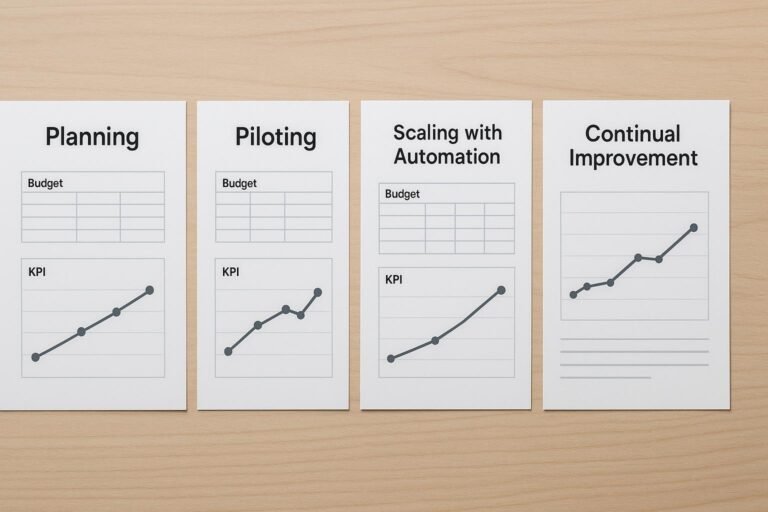
Data Hygiene to AI Value: A 21-Point SMB Data Readiness Checklist
Spring Clean Your SMB Data: Setting the stage for AI value
Spring is the ideal season to turn data hygiene into measurable AI value for small and mid-sized businesses. This practical 21-point SMB data readiness checklist focuses on quality, governance, privacy, security, and AI-readiness metrics you can act on in a quarter.
1) Inventory your data assets and assign ownership
- Build a catalog across CRM, ERP, marketing, support, and operations.
- Assign data owners and data stewards for accountability.
- Publish the catalog with quarterly reviews to keep it current.
2) Establish a data dictionary and taxonomy
- Define terms, data domains, and synonyms to ensure common understanding.
- Create a business-facing data glossary and crosswalk to systems.
- Align the dictionary with data lineage and governance.
3) Assess data quality: accuracy, completeness, and consistency
- Define quality dimensions (accuracy, completeness, timeliness, consistency, validity, uniqueness).
- Run baseline quality checks to establish current levels.
- Create a simple data quality scorecard and publish results for teams.
4) Cleanse and standardize data
- Standardize formats for dates, currencies, IDs, and text fields.
- Normalize datasets to a single enterprise-wide schema where possible.
- Apply lightweight validation for new data and updates.
5) Map data privacy and consent requirements
- Identify PII/PHI and other sensitive data.
- Map data usage to consent and purpose limitations.
- Align with privacy laws and implement minimization where feasible.
6) Document data lineage and traceability
- Capture data origins, transformation steps, and destinations.
- Use lineage to anticipate downstream quality issues and model risk.
- Maintain lineage in the data catalog for audits.
7) Implement data access controls and security
- Define RBAC and enforce least privilege.
- Review and prune unused permissions; monitor access patterns.
- Implement ongoing access reviews and incident response readiness.
8) Define data retention and deletion policies
- Define retention by data type and use case.
- Automate deletion or archival when thresholds are met.
- Document exceptions and retention exemptions.
9) Audit data integration and pipelines health
- Monitor ETL/ELT jobs, data transfers, and pipeline errors.
- Validate data movement with checksums and reconciliation.
- Schedule regular health reviews and publish findings.
10) Assign data governance roles and responsibilities
- Define data ownership, stewardship, access rights, and escalation paths.
- Document decision rights and change procedures.
- Schedule quarterly governance reviews to refresh policies.
11) Ensure metadata completeness and usefulness
- Capture definitions, lineage, data domains, and sensitivity levels.
- Add usage notes and data quality observations.
- Make metadata searchable and accessible to teams.
12) Prepare data labeling and ML-ready datasets
- Define labeling guidelines with criteria and examples.
- Establish labeling workflow with quality checks and throughput targets.
- Decide internal vs external labeling and track quality.
13) Enrich data with external sources where appropriate
- Identify external data sources that add value for use cases.
- Validate quality, licensing, and cost considerations.
- Integrate enrichments into pipelines with governance.
14) Assess storage location and accessibility
- Evaluate on-premises vs cloud storage and proximity to consumers.
- Ensure accessibility for AI workflows with proper latency considerations.
- Verify data residency and compliance requirements.
15) Set up data quality monitoring and alerts
- Create real-time dashboards for key quality signals.
- Configure automated anomaly alerts for data inputs and outputs.
- Schedule regular reviews with data and AI stakeholders.
16) Normalize data across sources for consistency
- Align schemas and data types across systems.
- Reconcile coding schemes and categories.
- Resolve discrepancies and maintain a golden dataset.
17) Define data quality KPIs and SLAs
- Establish metrics like completeness, accuracy, timeliness, and consistency.
- Set SLAs for data freshness and error rates.
- Track performance against targets and act on gaps.
18) Develop AI readiness metrics and scoring
- Map AI use cases to model types and data needs.
- Score data readiness, labeling coverage, and feature availability.
- Create a quarterly AI readiness scorecard for leadership visibility.
19) Review compliance and risk considerations
- Identify applicable laws and industry standards (GDPR, CCPA, HIPAA, etc.).
- Map data flows to controls and document compliance posture.
- Conduct periodic audits and maintain decisions logs.
20) Plan for backup and disaster recovery
- Implement backups, redundancy, and offsite storage as needed.
- Define RPO and RTO for critical data.
- Run regular disaster recovery tests and update plans.
21) Establish change management and governance cadence
- Set a regular governance and change-control cadence.
- Communicate plans clearly to stakeholders and provide training.
- Collect feedback after milestones and adjust policies accordingly.
Measuring success and next steps for SMB AI initiatives
By following this SMB data readiness checklist, your organization can clean and govern data, reduce risk, and unlock AI value in a matter of months. Use simple dashboards to track progress, demonstrate quick wins, and guide quarterly AI initiatives with clear ownership and timelines.