AI Proposal Automation for Agencies & Consultants
Turn intake forms into tailored proposals fast
Professional services teams spend hours collecting requirements, scoping work, and chasing signatures. AI proposal automation changes that by turning an intake form and a pricing matrix into a tailored proposal with a clear scope, deliverables, and relevant case studies. It can also generate a live quote and send the document for e-signature with automated follow-ups, so your client responds quickly and your team can move on to the next deal. The result? same-day proposals, faster closes, and significant time savings — usually 3–6 hours per deal.
When you combine structured intake with intelligent pricing and content assembly, you create a repeatable process that stays consistent across clients while still feeling personalized. This matters because buyers judge proposals not just on price, but on clarity, credibility, and speed.
What AI proposal automation does for agencies and consultants
For agencies and consultants who juggle multiple clients, proposal speed is a competitive edge. By automating the intake-to-proposal flow, teams can maintain consistency, ensure pricing is aligned with value, and attach case studies that demonstrate credibility. The system uses the form responses to fill a proposal template, selects relevant case studies, and applies the pricing matrix to produce a live quote. This reduces human error and lets you focus on the strategic parts of the proposal. For a closer look at how intake automation starts the process, see our lead intake and scheduling guide.
From intake to proposal: the automated workflow
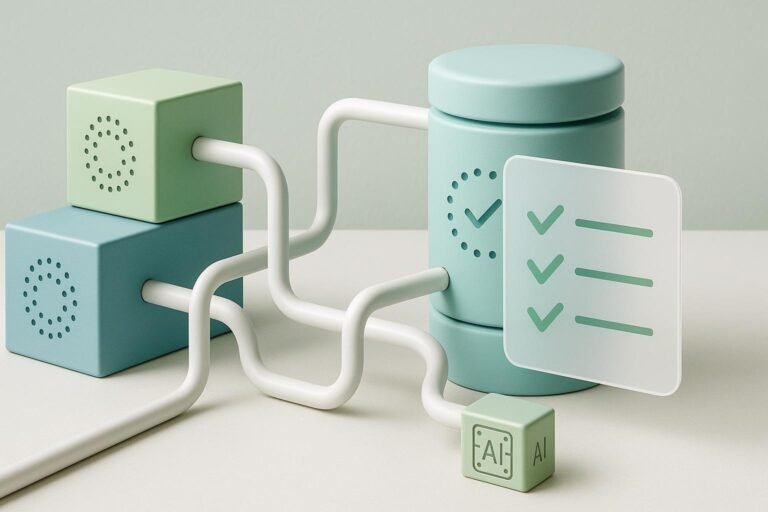
Step 1: intake collection. A structured form captures client goals, constraints, timelines, and preferred deliverables. Integrations pull in contact details and existing project data so you don’t repeat information. This creates a solid foundation for the proposal without extra back-and-forth.
Step 2: pricing matrix. The pricing matrix translates scope into price bands, with optional add-ons and discounts. The AI can adjust the arithmetic in real time as responses change, so the quote remains accurate as requirements evolve. This is the heart of a live quote that updates as conversations progress.
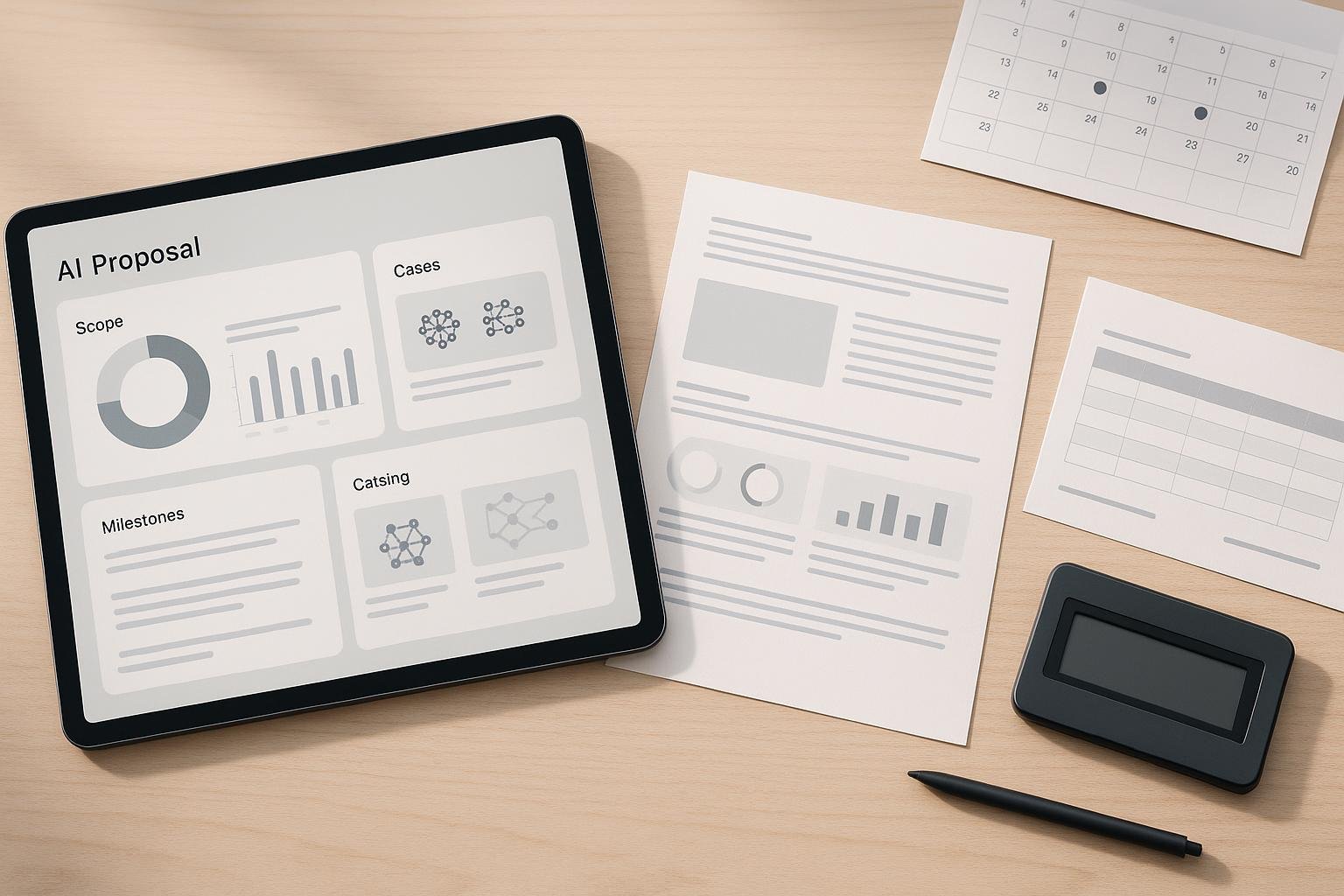
Step 3: proposal assembly. The AI assembles a branded proposal that includes scope, milestones, deliverables, timelines, and a section for case studies. It also formats the content for clarity and impact — no guesswork, just a clear narrative for the client.
Step 4: case studies. The system surfaces relevant case studies to illustrate success in similar contexts. If your catalog includes prior work, the AI can weave those stories directly into the proposal to boost credibility. For more on how AI handles follow-ups and conversions, see the abandoned cart post linked in this article.
Step 5: live quote and signature. The proposal is presented with a live price, terms, and optional agreements. Once the client approves, the document is sent for electronic signature, and automated reminders are scheduled if there is no immediate action. This reduces the back-and-forth that typically slows close times. If you’re curious about how automated follow-ups improve conversion, check our abandoned carts with AI post.
In practice, the above steps are not a one-off trick; they become a repeatable playbook that scales as your agency grows. It also keeps your team focused on shaping value rather than chasing paperwork. We’ve seen teams cut proposal cycles from days to hours once they adopt this end-to-end approach. For practical guidance on follow-up workflows that drive action, see the abandoned carts post.
Benefits at a glance
- Faster closes: same-day proposals and immediate follow-ups shorten sales cycles.
- Improved accuracy: a live quote reduces human arithmetic errors and misaligned pricing.
- Consistency with customization: templates stay on-brand while injecting client-relevant case studies.
- Time savings: 3–6 hours saved per deal frees up your team for new opportunities.
- Better win rates: credibility from tailored case studies and a clear scope increases buyer confidence.
Implementation checklist: 6 practical steps
- Define your standard intake fields and pricing bands. Keep it simple but comprehensive.
- Choose a proposal template that supports sections for scope, milestones, and case studies.
- Connect the intake form to your pricing matrix so quotes update automatically as responses change.
- Curate a library of relevant case studies organized by industry or service line.
- Set up automatic generation of the proposal document and a trigger for e-signature once the client approves.
- Establish follow-up cadences and reminder emails to nudge clients toward signing.
Two short, practical examples
Example A: A digital marketing freelancer uses an AI-driven intake to capture goals, budgeting, and deliverables for a 90-day site optimization project. The system produces a 4-page proposal with scope, milestones, and three relevant case studies, generates a live $25,000 quote, and sends for e-signature within minutes. The client signs the document the same day, and the project begins the following business day.
Example B: An agency delivering recurring retainer services uses the same workflow to convert proposals into signed onboarding documents. By automatically attaching case studies from similar clients and providing a transparent pricing ladder, the team reduces negotiation time and accelerates the close rate. See how automation improved follow-up outcomes in our abandoned cart post.
Real-world readiness: getting started today
Start small by automating a single service line and a single proposal template. Measure your time saved, track win rates, and watch the consistency of your quotes improve. Importantly, maintain a library of strong case studies that align with your most common client profiles. Over time, you can expand the automation to additional services and markets.
For teams that want to explore faster intake and scheduling in parallel with proposals, our lead intake and scheduling guide offers a practical starting point. If you’re curious about how AI-powered follow-ups influence conversions in other channels, read our post on abandoned carts with AI for a deeper look at improving engagement post-discovery.
With the right setup, your firm can deliver high-quality, tailored proposals in hours rather than days. The combination of structured intake, dynamic pricing, and instantly prepared content transforms the proposal process from a bottleneck into a strategic differentiator. It’s not magic; it’s precisely engineered automation that scales with your business while keeping the human touch where it matters most — in the strategy, storytelling, and relationship-building that win more work.